All Categories
Featured


Comparing Term and Whole Life Insurance Basics
How much coverage does my household really require, based upon earnings, debts, and dependents? Am I still within my VGLI eligibility window specifically, the 240-day no-health-review duration? Do I have a service-connected impairment that could make me eligible for VALife? Would I receive more favorable rates through a personal insurance provider, or would health.
concerns work against me? Do I want term protection, permanent coverage, or a combination? What protection do I currently have through VGLI, VALife, a company, or existing cost savings that should factor into the overall? Am I comparing programs based on my actual eligibility, not simply general assumptions about age or health? No. VGLI is the different group term program offered to eligible veterans after they leave service it's created to choose up where SGLI leaves off, but you have to apply for it independently, within a particular window. For a better look at SGLI itself, consisting of how it compares to personal coverage while you're still serving, see SGLI vs. Yes. VGLI premiums are based on your age and the quantity of coverage you pick, and rates usually increase at older ages. has current rate details. Yes. VA clearly enables getting both. Lots of veterans use this to get more overall protection than VGLI alone provides, or to compare their alternatives. VGLI, by contrast, is term insurance coverage, not entire life. There's no universal number it depends on your earnings, debts, dependents, existing coverage, and goals. LifeCoverPath's calculator can help you overcome those elements and get a customized, educational price quote. No. LifeCoverPath is an independent.
educational resource run by VetLife LLC as part of its Veteran Life Insurance organization. Department of Veterans Affairs, the U.S. military, or any federal government firm. For existing rates, eligibility rules, and applications, always go directly to VA's own resources:. You complete life insurance protection begins 2 years after you apply.
Comparing HMO and PPO Medical Plans
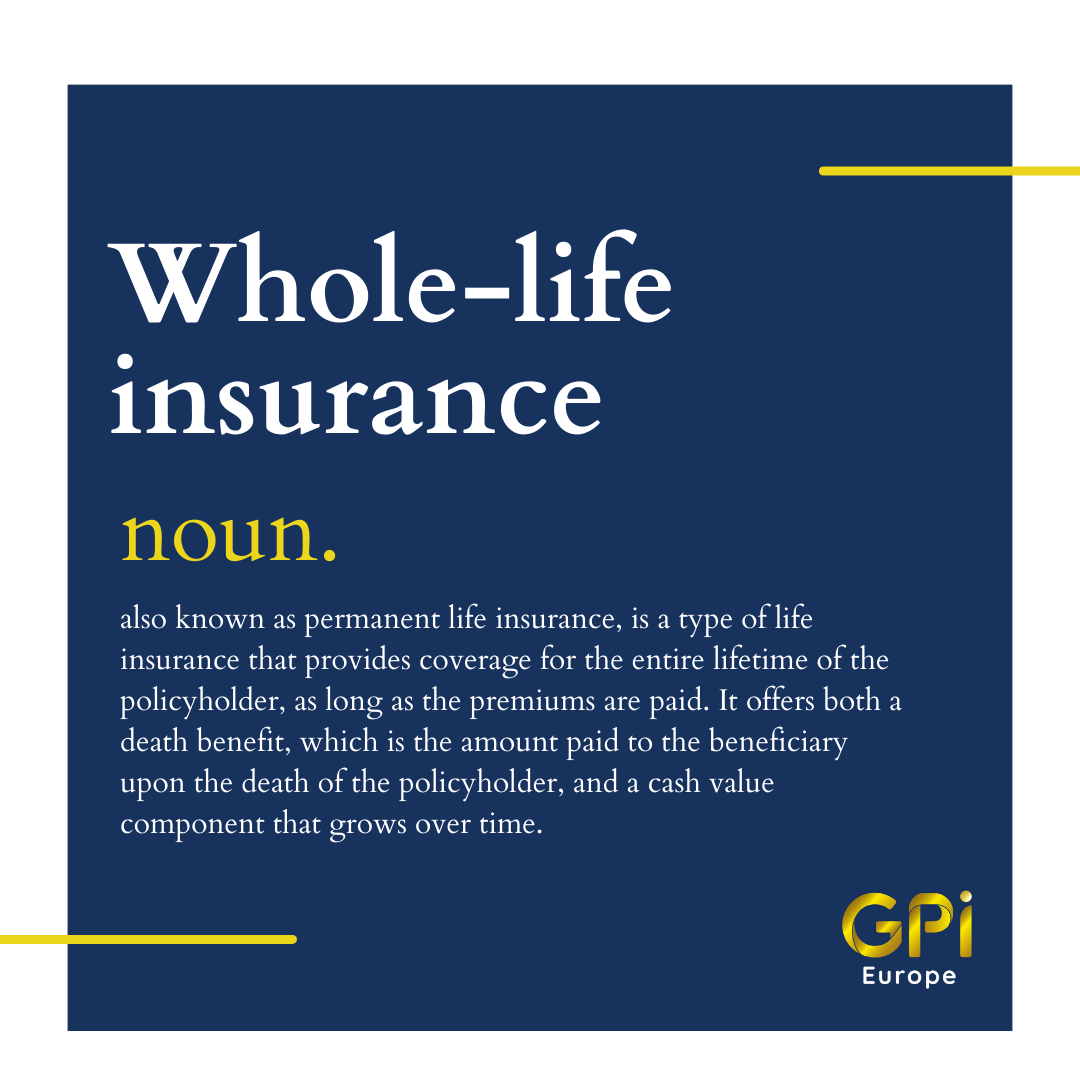
Whole life insurance coverage offers coverage for life and might construct money worth. Navigating life insurance coverage can be difficult, specifically for veterans returning to civilian life. Veterans frequently deal with different money situations that require careful believed about life insurance.
Life insurance gives veterans and their households important security and peace of mind. The death benefit, some life insurance policies, like entire life insurance, construct money value over time. The two primary types are term life insurance and permanent life insurance coverage.
Veterans should think of what matters most to them and how much risk they want to take. Term life insurance coverage is a popular choice since it is economical and basic to understand. It offers financial security for a set time, generally 10, 20, or thirty years. This duration is called the "term." If the person who owns the policy passes away throughout this term, the beneficiaries will get a death advantage stated in the policy. This makes it a good option for veterans who wish to conserve money. Coverage is only for the term of the policy. If the insured individual lives longer than the term, the policy ends, and no death advantage is offered. Term life insurance allows policyholders to alter coverage as they require. While term life insurance coverage is excellent for short-term requirements, it's essential to think of if you might need security for your whole life, especially as a more youthful veteran. Entire life insurance coverage is a type of permanent life insurance coverage. It offers protection for the entire life of the individual guaranteed. This indicates it provides long-term monetary security. Term life insurance ends after a certain time. Whole life insurance coverage remainsactive as long as the premiums are paid. By doing this, beneficiaries will constantly get a death advantage, no matter when the insured person dies. An unique advantage of entire life insurance coverage is the money value that grows gradually. This account grows without being taxed right now. People do not have to pay taxes on this development until they take cash out. Some entire life insurance policies can also give dividends. Dividends are a share of the revenues of the insurance business, and they are returned to insurance policy holders.

Life insurance offers veterans and their families essential security and peace of mind. The death advantage, some life insurance policies, like entire life insurance coverage, build money value over time. The two main types are term life insurance and long-term life insurance coverage.
Veterans must consider what matters most to them and how much risk they are prepared to take. Term life insurance coverage is a popular option due to the fact that it is cost effective and easy to understand. It gives financial defense for a set time, normally 10, 20, or thirty years. This duration is called the "term." If the person who owns the policy dies throughout this term, the recipients will get a death advantage specified in the policy. This makes it an excellent choice for veterans who desire to conserve money. Protection is just for the term of the policy. If the insured person lives longer than the term, the policy ends, and no survivor benefit is given. Term life insurance allows insurance policy holders to alter protection as they require. While term life insurance coverage is terrific for short-lived needs, it is necessary to think of if you may need security for your entire life, especially as a younger veteran. Whole life insurance is a sort of long-term life insurance. It gives protection for the whole life of the person guaranteed. This suggests it uses long-term monetary security. Term life insurance coverage ends after a particular time. However, whole life insurance coverage remainsactive as long as the premiums are paid. In this manner, beneficiaries will always get a survivor benefit, anytime the insured individual passes away. An unique advantage of entire life insurance coverage is the cash value that grows gradually. This account grows without being taxed right away. People do not need to pay taxes on this growth till they take cash out. Some entire life insurance coverage policies can also give dividends. Dividends are a share of the revenues of the insurer, and they are returned to insurance policy holders.

Latest Posts
How Whole Life Insurance Provides Security

Top Medigap Coverage Comparison Tips
The Mechanics of Whole Life Coverage